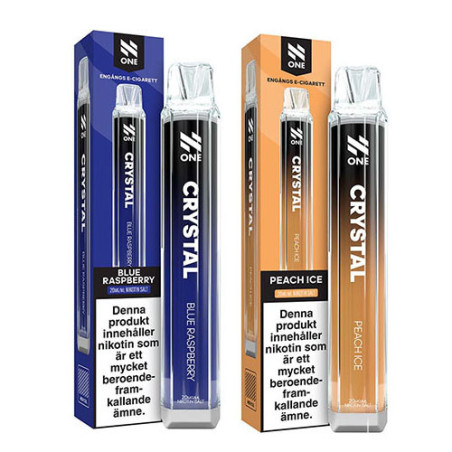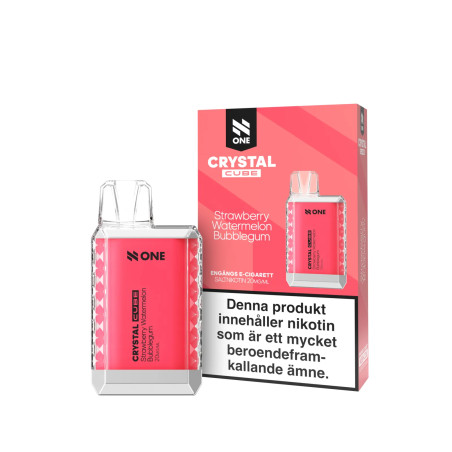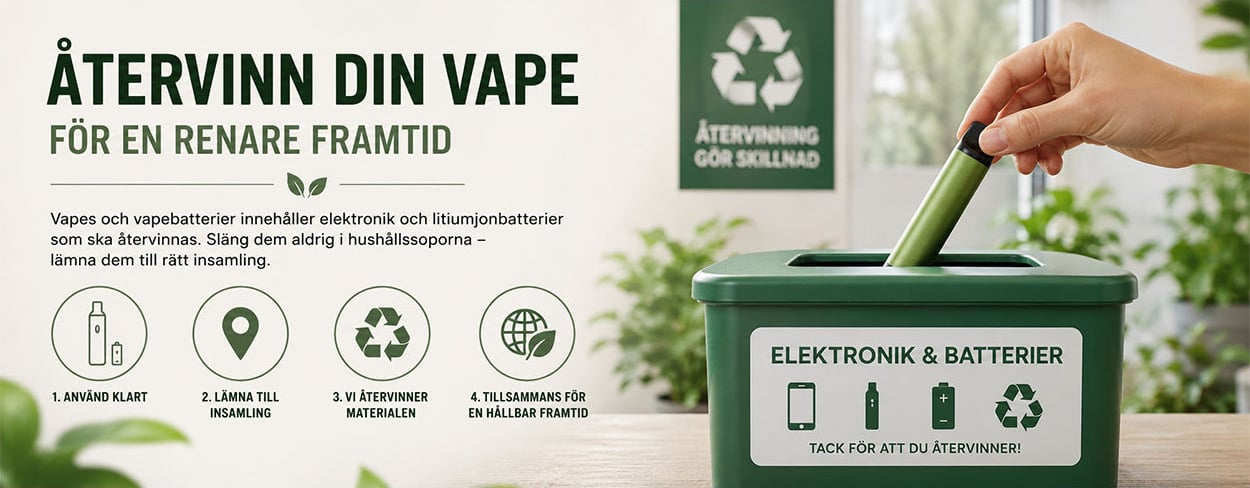
An end-of-life vape is disposed of as electrical waste. A device with a built-in battery is disposed of whole. An undamaged battery intended to be removed by the user is disposed of separately through battery collection, while the device is disposed of as electrical waste.
This applies to disposable vapes, rechargeable devices and pod systems. The design determines which parts can be separated. Damaged or abnormally hot batteries require special handling and must not be placed in ordinary collection boxes.
Why is a vape considered electrical waste?
A vape uses electrical energy to heat liquid. It may contain a battery, circuit board, contact points, wires and other electrical components. The metal and plastic parts do not make the entire product packaging.
The device is handled as small electrical equipment, like electric toothbrushes, headphones and rechargeable lamps, for example. Separate parts may, however, require different collection depending on whether they contain electronics, a battery or liquid residue.
In disposable vapes, the battery is normally built in and not intended to be removed by the user. Therefore, leave the device whole.
How do you recycle a disposable vape?
An end-of-life disposable vape is disposed of whole as electrical waste. Do not break it open to remove the battery or empty the liquid. A damaged or short-circuited lithium-ion battery can cause a fire.
- Let an undamaged device cool down after normal use. Abnormal heat when not in use is a sign of a fault, not ordinary cooling.
- Store it in a dry place and away from metal objects. Keep the device and liquid residue out of the sight and reach of children and animals.
- Take it to an electrical waste collection point. A recycling centre is a collection point; store collection has specific conditions described below.
- Separate damaged devices from ordinary collection. Environmental stations and battery collection bins do not automatically accept whole vapes or damaged batteries.
Do not use or charge a device that is swollen, damaged, unusually hot, activates by itself or is suspected of having liquid in the electronics. Leakage and an unusual smell must also be taken seriously. Do not test-charge or activate the device to empty the battery.
A damaged, cooled device should be handed directly to staff at a staffed collection point for damaged electrical and battery waste. Report the damage and do not place it anonymously in a shared box. A device that continues to generate heat must not be transported as ordinary recycling.
In the event of smoke or fire: leave the area, warn others and call 112. Do not move a smoking or burning battery to take it for recycling. Disconnect the charging cable only if this can be done without risk.
How do you recycle a rechargeable vape?
A rechargeable vape with a built-in battery is disposed of whole as electrical waste. Rechargeability does not mean that the battery is intended to be removed. A model with a user-accessible battery compartment may have a separate cell, such as an 18650 battery.
If the cell is undamaged, cooled and intended to be removed, it is taken to battery collection. The device is disposed of as electrical waste. A damaged cell must not be removed through intervention to follow this normal sorting procedure.
For starter kits for e-cigarettes, prefilled pod kits and other rechargeable systems, the device, pod and battery are separate parts. A pod with an electrical heating coil is an electrical component; a pod without electrical parts must not automatically be sorted in the same way. The table below describes the difference.
Should you remove the battery before recycling?
Yes, if an undamaged and cooled cell can be removed through the product’s intended battery compartment or removal function. Turn off the device and disconnect the charging cable before removal. Devices with built-in and sealed batteries are disposed of whole.
The cell format, such as 18650, does not in itself indicate that the user can remove the battery. It is the product’s design and intended access that determine this.
Do not cut, break, puncture or open a battery or a sealed device. Protect the terminals of an intact loose cell from contact with metal by using a suitable case or insulating tape over accessible terminals. Taping does not repair damaged casing and does not make a swollen cell usable or ready for transport.
Where can you dispose of old vapes?
An end-of-life, undamaged vape is taken to the electrical waste collection point at a recycling centre. Loose, undamaged batteries are taken to battery collection at the recycling centre or placed in a collection container intended for batteries.
Stores that sell electrical equipment must, when a new purchase is made, accept an end-of-life product of the same type or with the same function under the one-for-one principle. Stores with at least 400 square metres of sales area for electrical equipment must also accept small electrical waste without a purchase when no external dimension exceeds 25 centimetres.
The limit refers to the store’s area for electrical equipment. The rules do not mean that every store or environmental station accepts all types of waste. Loose batteries are not covered by this particular rule for electrical equipment, and hazardous waste has specific collection conditions.
Pods with unclear sorting requirements and liquid residue should be taken whole to the staffed collection point at a recycling centre. Damaged batteries should be handed directly to staff who handle damaged electrical and battery waste, not placed in an unattended box.
Can you throw a vape in the ordinary rubbish?
No. Even an empty or broken vape contains electronics and may still contain a battery. It must be taken to separate collection.
Lithium-ion batteries can be damaged or short-circuited when waste is compressed, transported or treated. Battery-powered products in household waste can therefore cause fires in waste management.
What happens to a vape after recycling?
The collected electrical waste is transported for treatment, where batteries and other components are sorted out. Materials are then separated for further handling and recycling.
Metals and some other materials can be reused as raw materials. Not all parts can be recycled as materials; residues and hazardous substances are handled separately. Dismantling is carried out within the recycling chain.
Why is recycling vape batteries important?
Separate collection keeps batteries out of waste streams where they can be damaged and cause fires. It also ensures that battery materials can be handled in designated treatment processes.
Lithium-ion batteries can store a great deal of energy in a small format. Therefore, even a small end-of-life cell must be protected against short circuits. Extended producer responsibility for batteries and electrical equipment is intended to finance and organise collection and handling in Sweden and the EU.
How does recycling differ between different vape products?
A built-in battery is disposed of with the device. Intended loose cells are sorted separately, while the pod’s electrical parts and liquid residue affect how it is accepted. The advice for ordinary collection below applies to undamaged, cooled products.
| Product | Sorting |
|---|---|
| Disposable vape | Dispose of it whole as electrical waste. Do not open it to remove the battery. |
| Rechargeable vape with a built-in battery | Dispose of the entire device as electrical waste. |
| Vape with a removable battery | An undamaged cell is removed via the intended battery compartment and taken to battery collection. The device is disposed of as electrical waste. |
| Prefilled pod | A pod with an electrical heating coil is an electrical component. Without electrical parts or with unclear sorting requirements, take it whole to a staffed recycling centre. E-liquid is accepted as hazardous waste. |
| Loose vape batteries | Undamaged batteries for e-cigarettes are taken to battery collection with the terminals protected against contact with metal. |
Do not pour e-liquid residue down the drain or mix it with household waste. Keep the liquid in a closed, identifiable original container and take it to hazardous waste collection. Do not open a sealed pod to empty or rinse it. Keep used pods and liquid out of the sight and reach of children and animals, and avoid splashes on skin and in the eyes.
Common mistakes when recycling a vape
The wrong waste container, tampering with the device and unprotected battery terminals can complicate sorting or cause short circuits. These five mistakes should be avoided:
- Throwing a disposable vape in household waste: dispose of it whole as electrical waste.
- Putting vapes in plastic or metal packaging collection: the product is electrical equipment even if its casing consists of plastic or metal.
- Breaking open a disposable vape: the built-in battery and liquid residue must not be removed through intervention.
- Storing loose batteries with keys or coins: protect the terminals and keep intact cells separate from metal objects.
- Putting a damaged battery in ordinary collection: a damaged, cooled battery or a damaged, cooled device should be handed directly to staff at a collection point for damaged electrical and battery waste.
How does this relate to the EU Battery Regulation?
EU Battery Regulation 2023/1542 regulates, among other things, battery design, producer responsibility, collection and recycling. It covers several battery categories, from portable batteries in consumer products to electric vehicle batteries and batteries for energy storage.
The new rules on producer responsibility for batteries have applied since 18 August 2025. The requirements that certain built-in portable batteries must be removable and replaceable by the user begin to apply on 18 February 2027. There are specific exceptions, so the date does not mean that all vape models will have the same design.
Separate collection already applies. The upcoming design requirements do not change today’s advice to leave the device whole when the battery is not intended to be removed. The guide EU Battery Rules 2027 – will vapes and e-cigarettes be affected? addresses these design requirements.
Quick Facts
- Reading Time
- 9 min
- Popularity
- Very Popular
- Category
- Vape
- Published
- 2026-07-01
Related Products
Products mentioned in this article