

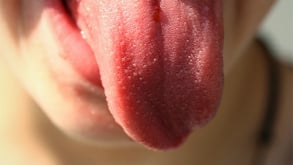
“Vape tongue” is a colloquial expression for e-liquid seeming to taste less or differently. It is not a diagnosis. Smell, saliva and oral health affect the taste experience, and a change may have medical causes.
How do taste and smell work?
The five basic tastes are sweet, salty, sour, bitter and umami. Taste cells in taste buds perceive them. They are not strictly divided into separate areas of the tongue.

The sense of smell contributes the aromas. With nasal congestion, these may feel weaker even when the basic tastes are still perceived. Saliva helps taste substances reach the taste cells, so dry mouth can affect the experience.
What could be behind a change?
Several factors can affect taste and smell:
- Repeated exposure to an odor can cause sensory adaptation, making the odor less noticeable.
- Infections, smoking, oral health and age can affect the senses. Taste cells renew throughout life.
- Smoking can affect smell and taste. Tell your healthcare provider if the change occurred in connection with quitting smoking.
- Dry mouth can have several causes, including medication. Dry mouth and dehydration throughout the body are different conditions. PG binds water, but this is not enough to determine the cause of a person’s symptoms.
- Nasal congestion reduces smell’s contribution to the taste experience.
- Older or altered e-liquid is a product issue, separate from a sensory change. Taste tests or test puffs should not be used to determine the condition of the product.
Alcohol use may be relevant in cases of oral problems. Spicy food can irritate, and acidic food can damage tooth enamel.
What can you do?
Stop using the product if coughing or irritation occurs while vaping. Switching flavors to menthol, licorice or another strong aroma does not treat a reduced sense of taste. The cooling sensation of menthol and the irritation from strong substances may be perceived even when taste is reduced.
Water can temporarily relieve dryness. In cases of recurring dry mouth, healthcare or dental care can assess the cause. Coffee, lemon and lemon sorbet are not established treatments for restoring the sense of taste. In an experiment involving odor identification, the smell of coffee did not produce better results than the smell of lemon or air. Regular smell training is another method.
Brush your teeth twice daily with fluoride toothpaste. Mouthwash and any possible need for extra fluoride in cases of dry mouth can be discussed with dental care. After acidic food or drinks: rinse with water and wait at least an hour before brushing your teeth to reduce wear on the enamel.
More about coughing and dry mouth when vaping.
When do you need to contact healthcare services?
Contact a health centre if reduced smell or taste has lasted longer than a month. Seek medical care immediately if it occurs after a blow to the head. Call 1177 if the symptoms need to be assessed sooner. Stop using a product that causes problems; do not wait in case of serious symptoms.
Quick Facts
- Reading Time
- 3 min
- Popularity
- Very Popular
- Category
- Health & research
- Published
- 2018-06-04