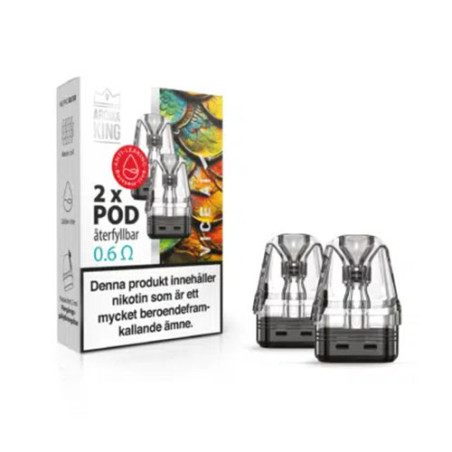
Tanks and pods are liquid containers in e-cigarettes. They supply e-liquid to the coil. In the first part of our series on e-cigarette components, we review containers, mouthpieces, airflow and filling, as well as the differences between MTL, DTL, sub-ohm, RTA and RDTA.
What is a tank?
A tank holds e-liquid and has a vaporization section with a coil and wick. The battery unit powers the coil’s heating element. The wick transports the liquid to the heating surface, where heating forms an aerosol that is drawn out through the mouthpiece. What is often called vapor is therefore not solely water vapor.
What parts and functions are found in a tank?
- Container: Stores the liquid. It may consist of glass or plastic and have a protective sleeve. Size and design vary between models.
- Coil and wick: The heating element may be coiled metal wire or a metal mesh. The wick is often made of cotton and transports liquid to the heating surface. Among our coils are different designs; the tank’s coil series determines which ones fit.
- Mouthpiece: Also called a drip tip. It guides the aerosol from the tank to the mouth. A replaceable mouthpiece can change the opening, shape and appearance, but the fitting must match the tank.
- Airflow control: A control can open or restrict the air intake and thereby change the draw resistance. Airflow interacts with the coil and power and affects the amount and temperature of the aerosol.
- Filling: Top-fill means filling from above and bottom-fill means filling from below. On some tanks, liquid can be added without removing the tank from the battery unit. The location of the filling opening depends on the design.
How do the tank types differ?
Pod describes a liquid container for a specific pod system. MTL and DTL describe draw styles, while sub-ohm means a coil resistance below 1 ohm. RTA and RDTA are rebuildable atomizers with liquid containers. The terms overlap: an RTA may, for example, be intended for MTL while also using a coil below 1 ohm.
Our range of tanks and refillable pods includes containers for different systems. A pod must fit the device’s model and pod family. For a separate tank, the connection, coil resistance and specified power range must match the battery unit.
What is an MTL tank?
An MTL tank is intended for mouth-to-lung, Mouth-to-Lung: the aerosol is first drawn into the mouth and then into the lungs. The draw is generally tighter than with DTL and may resemble the draw of a cigarette. E-cigarettes are not approved or recommended as smoking cessation products in Sweden.
MTL designs often have restricted airflow and are used at lower power than many DTL designs. There are also MTL coils below 1 ohm, such as OXVA XLIM Top Fill with 0.8 ohm. Resistance alone therefore does not determine the draw style.
A smaller amount of aerosol per puff may mean lower liquid consumption. Lower power may also provide longer use between charges with the same battery and usage pattern. Actual consumption is affected by, among other things, the coil, power and puff length.
Throat sensation, sometimes called throat hit, is affected by the form and concentration of nicotine, the liquid’s PG/VG ratio, temperature and airflow. Less visible aerosol does not change the rules regarding where e-cigarettes may be used.
What is an RTA?
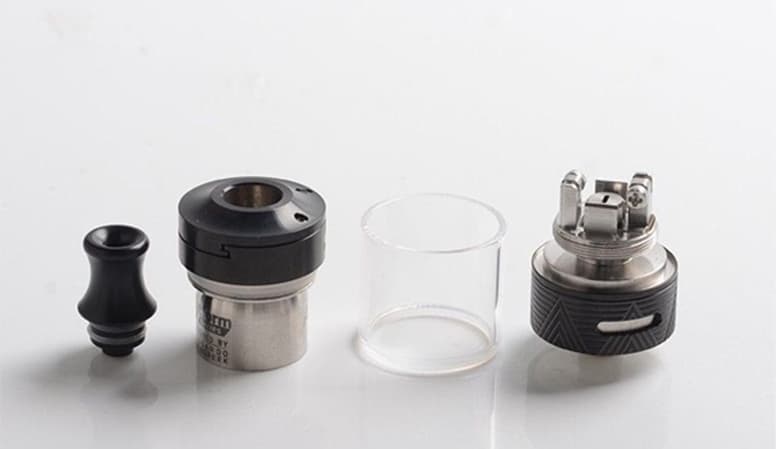
RTA stands for Rebuildable Tank Atomizer. It is a tank with a build deck where the coil and wick are installed separately. The liquid is stored in the tank and guided to the wick, instead of a complete prebuilt coil being screwed or pressed into place.
How do the build deck and liquid feeding work?
The build deck has mounts for the heating element. Single-coil means one coil, dual-coil means two and quad-coil means four; the number must be supported by the deck. The coil’s material and geometry affect its resistance. The heating surface and the device’s settings affect how the liquid is heated.
Liquid channels guide e-liquid to the wick, which absorbs it and carries it to the coil. The amount and placement of cotton need to provide sufficient feeding without blocking the channels. Incorrect installation can cause leaking or insufficient liquid supply and a burnt taste. Stop using the device if you notice a burnt taste.
The location of the air intake and any controls affect the draw and how air passes the coil. RTA models may have top-fill or bottom-fill designs. Tank capacity and liquid consumption determine how often refilling is needed.
What work and costs are involved with an RTA?
In addition to the tank, you need suitable coil material, such as wire or mesh, wick and tools for installation. These materials replace the purchase of complete prebuilt coils. The cost depends on material prices, replacements and which equipment is already available.
Coil installation, cotton placement and cleaning take time. They require knowledge of resistance, insulation, liquid feeding and the limits of the battery unit. Cotton and other wear parts need to be replaced, and deposits on the heating surface can affect performance and flavor. Cleaning and material replacement are therefore part of maintenance.
What is a DTL tank?
A DTL tank is intended for direct-to-lung inhalation, Direct-to-Lung. Unlike MTL, the aerosol is not first collected in the mouth. The airflow path is often more open and provides a less restricted draw.
Many DTL tanks use low-resistance coils at higher power than MTL systems. With such a combination, more aerosol can be produced, which can also result in higher liquid consumption and shorter battery life between charges. The comparison depends on the actual coil, power, airflow and usage.
The term cloud chasing is used to describe aiming for large aerosol clouds. It describes a way of using the device, not a separate tank design. Flavor intensity and throat sensation are affected by the liquid and settings.
Vaporesso iTank is an example of a DTL tank with top filling and separately replaceable GTi mesh coils.
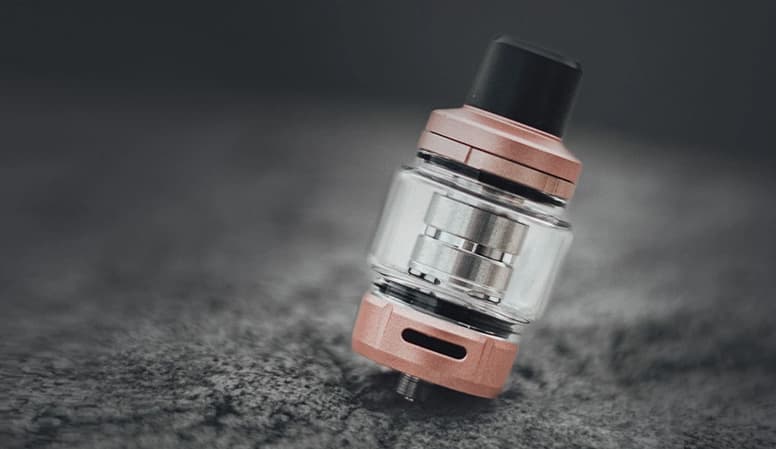
Vaporesso iTank.
What is a pod?
A pod is the liquid container mounted in a compatible pod system. It may be refillable or prefilled. The coil may either be built into the pod or replaced as a separate part. On the OXVA XLIM C, the coil is replaced separately, while XLIM V2 pods have a built-in coil.
Pods belong to specific model families. A shared brand or the same resistance in ohms does not mean that two pods fit the same device. A complete pod system also includes a battery unit; a loose replacement pod is not a complete e-cigarette starter kit.
Refillable pods
A refillable pod is filled through its designated opening and can be used with different liquids that suit its design. The liquid’s thickness, PG/VG ratio and other properties need to comply with the manufacturer’s instructions for the device and coil.
With a built-in coil, the entire pod is replaced when the coil is used up. With a separate coil, the container can be retained when the coil is replaced, as long as it and the seals are intact. The cost consists of e-liquid and the replacement parts used by the system.
Refilling allows the same container to be used multiple times. A separately replaceable coil also makes it possible to keep the container longer. Which parts are consumed therefore differs between systems.
Prefilled pods
A prefilled pod, prefilled pod, is supplied with e-liquid. A closed pod is replaced when it is used up and should not be opened for refilling. The battery unit is retained. This distinguishes the system from a complete disposable vape, where the battery and liquid container are discarded together.
No separate liquid refilling or coil installation is needed in the closed pod. The manufacturer fills it with a specified liquid with a stated flavor profile and nicotine concentration. The concentration in the liquid is not the same as the amount of nicotine a person takes in per puff.
Even prefilled pods can leak, and the mouthpiece, contacts and battery unit may need to be cleaned according to the care instructions. Changes in flavor or damage need to be assessed even when the pod is sealed.
The pod’s container and mouthpiece often form a single cartridge that is mounted directly in the battery unit. When comparing costs, the price of liquid, prefilled pods and other replacement parts needs to be included. Used battery units should be left as electrical waste; e-liquid residues should be kept separate from household waste and handled as hazardous waste.
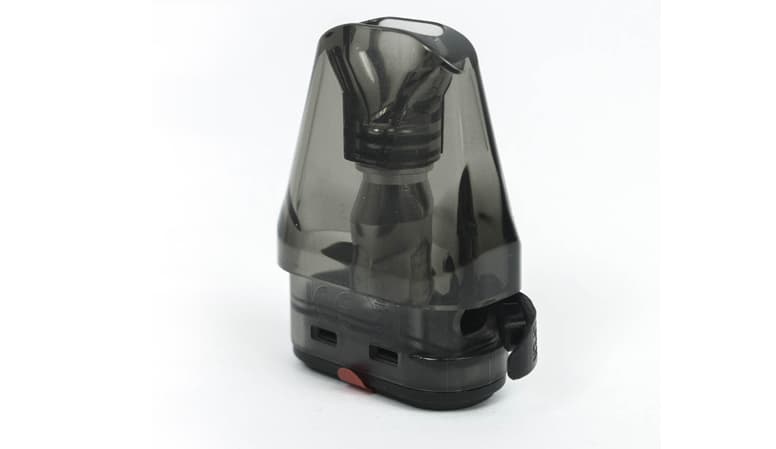
Pod from OXVA.
What is a sub-ohm tank?
A sub-ohm tank is used with coils whose resistance is less than 1 ohm. Sub-ohm indicates resistance, while MTL and DTL indicate draw styles. A coil below 1 ohm can therefore also occur in an MTL design.
The tank’s coil series, specified power range and airflow determine how it is used. Many sub-ohm tanks have adjustable airflow and are intended for DTL. Resistance alone, however, does not indicate how much aerosol is produced, how hot it becomes or how much liquid is consumed.
A regulated battery unit needs to support the coil’s resistance and power range, and the tank’s connection must fit. The device’s maximum wattage alone is not enough to determine compatibility.
What is an RDTA?
RDTA stands for Rebuildable Dripping Tank Atomizer. It combines a build deck with a separate container for e-liquid, usually beneath the deck. The wicks transport liquid from the container to the coil. The design can therefore store more liquid than the small liquid well found in a conventional RDA.
RDA stands for Rebuildable Dripping Atomizer. In an RDA, liquid is supplied to the wick at the coil, for example by dripping. The RDTA’s tank reduces the need for such repeated manual feeding.
In an RDTA, the coil and wick are installed separately. The build deck determines which heating elements can be used. The coil’s design, the placement of the cotton and the liquid transport affect operation. Air intake and any controls affect the draw; RDTA does not in itself indicate a particular power level or a specific draw style.
Installation, cleaning and material replacement require the same type of technical knowledge as other rebuildable atomizers.
Our component series also covers coils and their construction.
Quick Facts
- Reading Time
- 9 min
- Popularity
- Very Popular
- Category
- Coils, pods & tanks
- Published
- 2023-08-18
Related Products
Products mentioned in this article